The case for gas fuels is quantifiable. These figures come from GEA-commissioned independent economic research and GEA's published industry data.
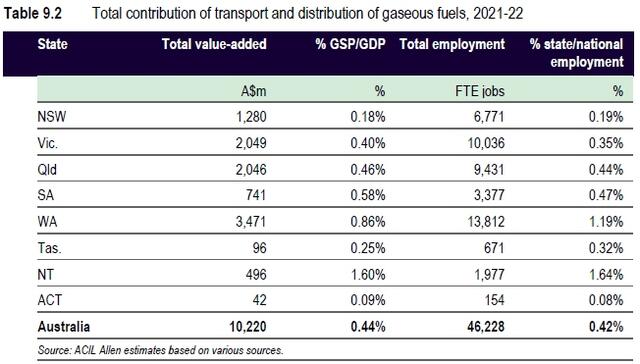
Economic activity in 2021–22 — 5.25% of GDP, up 42% year on year.
Full-time jobs, up 17,133 on the previous year.
Homes using mains or bottled gas — around 3 million use LPG.
Australian businesses relying on gas, from steel and glass to food.
Annual taxes, rates, fees and royalties.
Pipeline network, plus 20 million+ gas cylinders in circulation.
Invested annually in future fuels research.
Of regional Australian households are fuelled by LPG, on GEA's published figures.
Sources: GEA-commissioned economic research (2021–22 figures) and GEA published materials. Figures to be re-verified with GEA before production.
GEA states that LPG produces 14% lower emissions than diesel today, and that renewable variants — bioLPG, renewable DME and co-processed LPG — cut emissions further without the cost of appliance replacement. From 1 July 2026, facilities can count certified renewable LPG in national emissions reporting.
Fuelling homes, transport and industry nationally — including where the grid doesn't reach.
Recognised in NGER emissions accounting from 1 July 2026, with ISCC PLUS and Guarantee of Origin certification.
A renewable gas covered by GEA's 2023 Constitution and the industry's future fuels R&D.
